Visa-free & visa-on-arrival destinations from India in 2026

The Indian passport opens more doors than it used to, and a lot of people don’t realise how many. If you’ve been assuming every foreign trip means a visa appointment, a stack of documents and a nervous wait, this guide is the good news: as of early 2026, a long list of genuinely brilliant destinations will let you in with little or no paperwork. Here’s the practical version — honestly labelled, because “visa-free” and “visa-on-arrival” are not the same thing, and the difference catches people out at the airport.
Visa-free vs visa-on-arrival: the difference that trips people up
Visa-free means exactly that — you board, you land, you walk through immigration with your passport and onward ticket, no visa at all. Visa-on-arrival (VoA) means you don’t arrange anything in advance, but you do get a visa when you land: usually a short counter, sometimes a fee, occasionally a form. Then there’s a third category that often gets lumped in: the electronic travel authorisation or e-visa — a quick online application you complete before you fly. It’s not “visa-free,” but it’s a world away from a consulate appointment.
Why does the distinction matter? Because a VoA or e-visa destination can still turn you away if you arrive without the right supporting documents — a confirmed return ticket, proof of funds, sometimes a hotel booking. “No visa needed in advance” is not the same as “turn up with nothing.” Keep that in mind as we go through the list.
Southeast Asia (the easy wins)
This is where the Indian passport has gained the most ground, and it’s where most first overseas trips from India now head. Thailand has been offering visa exemption to Indian passport holders, letting you stay for tourism without arranging anything in advance — one of the single biggest changes for Indian travellers in recent years. Malaysia has likewise opened up with visa-free entry for short tourist stays as of early 2026 (a policy it has revised more than once, so it’s worth a quick check before you book).
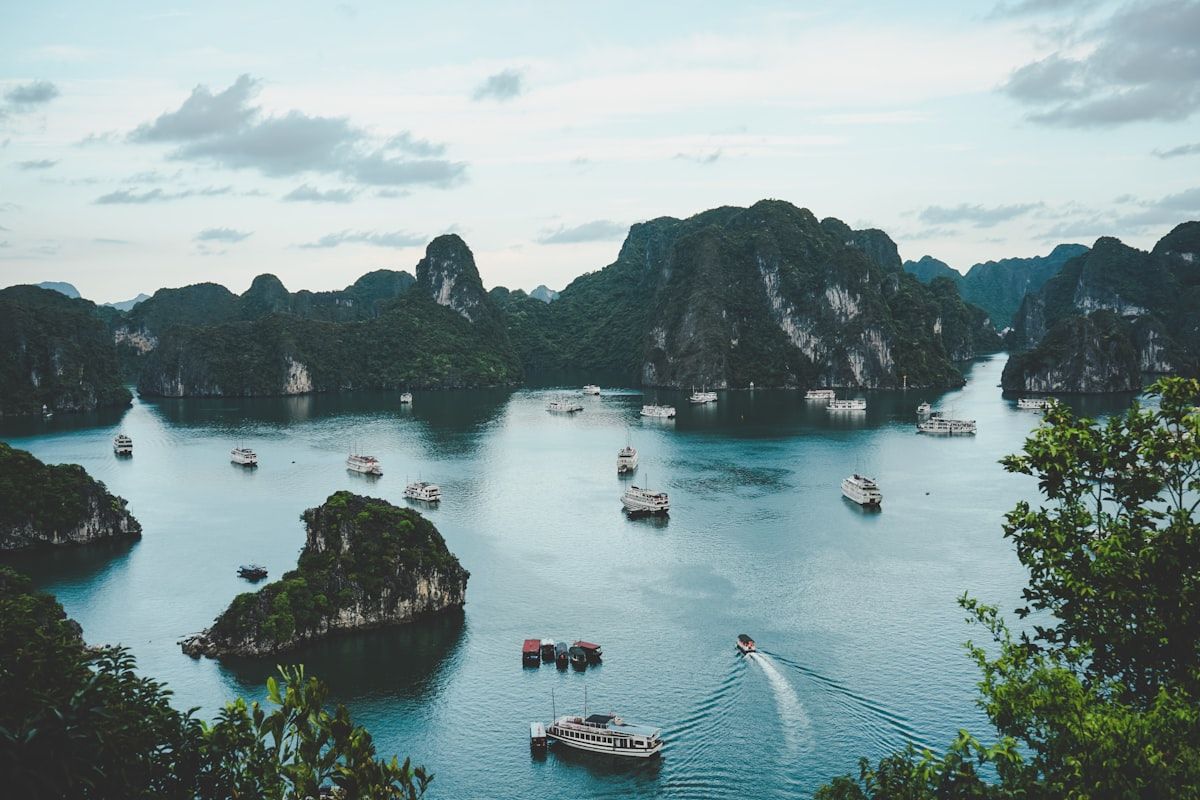
Indonesia — including Bali — runs a straightforward visa-on-arrival for Indians at around IDR 500,000 (roughly ₹2,800), extendable once. Vietnam uses a simple online e-visa that most travellers get approved within a few days, valid for a single tourist stay. Sri Lanka, just off the southern coast, uses an electronic travel authorisation (ETA) that’s quick to obtain online. Between them, these five cover an enormous range of honeymoon, family and first-trip itineraries with barely any paperwork.
Indian Ocean & the Gulf
The Maldives is the standout here: a free visa-on-arrival for Indian passport holders, valid for 30 days, with nothing to arrange beyond your trip — which is part of why it’s such a popular honeymoon choice. Mauritius offers visa-free entry to Indian tourists, and the Seychelles grants a visitor’s permit on arrival rather than a formal visa, so both of these bucket-list island nations are far more accessible than people assume.
In the Gulf, Qatar offers visa-free entry to Indian passport holders for short stays as of early 2026, making a Doha stopover or a long-weekend break genuinely easy. The UAE is the one to read carefully: entry usually needs a pre-arranged e-visa, though travellers who already hold a valid US, UK or Schengen visa or residence may qualify for visa-on-arrival — exactly the kind of detail worth confirming before you book flights.
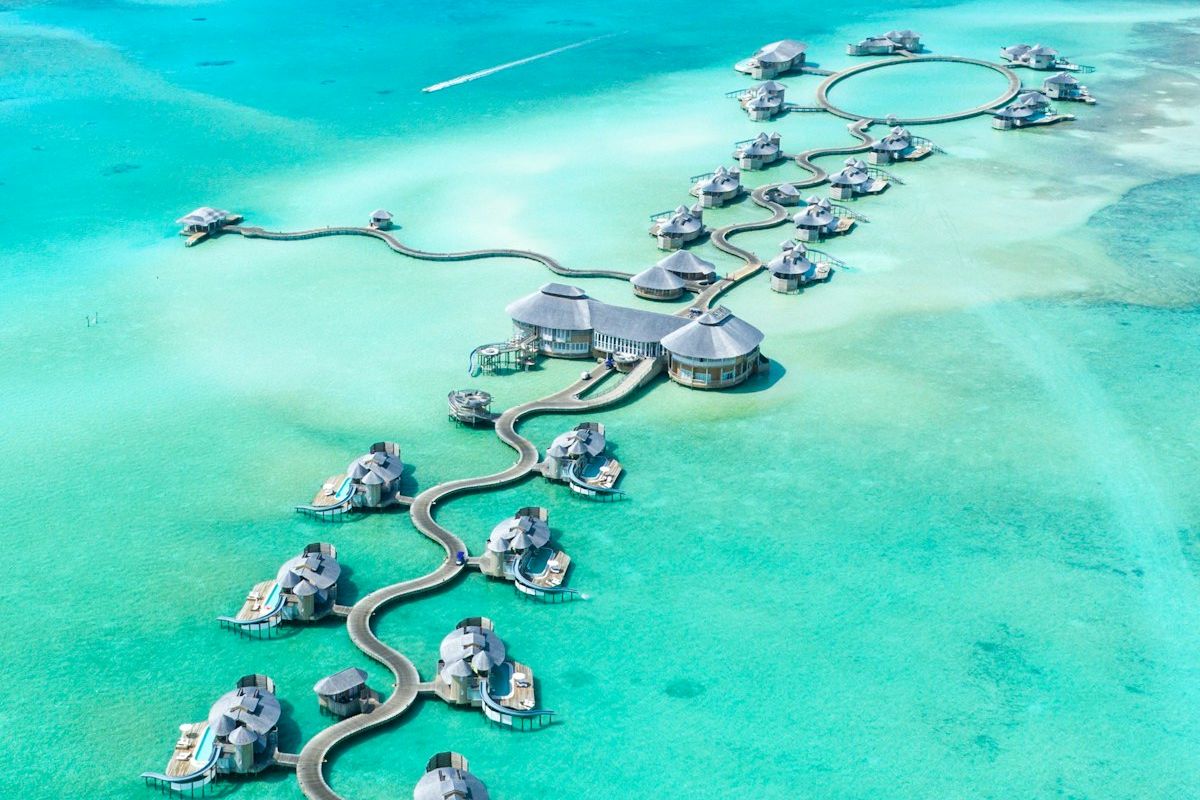
What makes this cluster so useful for Indian travellers is the spread of trip styles it covers with almost no paperwork: the Maldives for a luxury honeymoon, Mauritius for a family beach holiday, the Seychelles for a once-in-a-lifetime splurge, and Qatar for a quick, easy first taste of the Gulf. None of them demand a consulate appointment, which means you can decide on a trip and start planning the same week rather than waiting on an approval.
Further afield
Beyond the usual radius, the list is longer than most people expect. Across parts of East Africa, several countries have moved to electronic travel authorisations that Indians can obtain online rather than a traditional visa. A number of Caribbean nations welcome Indian passport holders visa-free for tourism. And closer to home, Nepal and Bhutan remain especially easy for Indian citizens by their long-standing bilateral arrangements. The point isn’t to memorise every country — it’s to realise that “somewhere different” is far more reachable on an Indian passport in 2026 than the old reputation suggests.
There’s a planning lesson buried in that long list. Many Indian travellers still default to the handful of destinations they’ve always heard about, and assume anywhere else means a difficult visa. In 2026 that assumption costs you good trips. The smarter approach is to flip the order: instead of picking a dream destination and then dreading the visa, start from the set of places that welcome an Indian passport easily, and choose your trip from that already-generous menu. You’ll be surprised how little you give up — and how much paperwork and anxiety you save.
The single most useful mindset shift for Indian travellers in 2026: start by asking where you can go easily, then plan the trip — not the other way around.
Three things that quietly trip Indian travellers up
First, “visa-free for tourism” usually has a time limit — 30 days, sometimes less — and overstaying, even by a day, can mean fines or trouble on future visits. Always check the permitted stay, not just whether you need a visa. Second, some destinations grant visa-free or VoA entry only at specific airports or land borders; arriving somewhere unexpected can change the rule. Third, a visa-free entry is for tourism — if you’re travelling for work, study or anything else, a different category applies, regardless of what the leisure rule says.
None of these are reasons to be nervous; they’re just the fine print that separates a smooth arrival from a stressful one. A few minutes of checking — or a quick word with your travel expert — settles all three before you’ve even packed.
Documents you still need at immigration
Visa-free or not, a few things travel with you everywhere. Your passport should have at least six months’ validity beyond your travel dates and a couple of blank pages. Carry a confirmed return or onward ticket — immigration officers at VoA and e-visa destinations frequently ask for it. Have proof of accommodation for at least your first night, and be ready to show you can fund the trip (a card, a bank statement, or cash, depending on the country).
It’s also worth carrying travel insurance — a handful of destinations require it, and it’s sensible regardless. None of this is onerous; it’s the standard kit that turns a “no advance visa needed” destination into a genuinely smooth arrival. If documentation makes you anxious, our visa and documentation help takes it off your plate entirely.
A necessary word on accuracy
Visa rules change, sometimes at short notice, and they can vary by your specific circumstances — purpose of travel, length of stay, even the airport you arrive at. Everything here reflects the position as of early 2026 and is meant to help you plan, not to serve as a final ruling. Always confirm the current requirement with the destination’s official immigration source or your travel expert before you book flights. We keep on top of these changes as part of planning every trip, so if you’re working with us, this is one less thing to worry about. If Vietnam with children is on your list, our family Vietnam checklist walks through the e-visa step in detail.
Frequently asked questions
How many countries can Indian passport holders enter without a prior visa in 2026?
Dozens — the figure shifts as rules change, but as of early 2026 a large and growing list offers either visa-free entry, visa-on-arrival, or a simple online e-visa to Indian passport holders. Southeast Asia and the Indian Ocean islands are the easiest clusters.
Is visa-on-arrival guaranteed if my passport is eligible?
Not automatically. Eligibility lets you apply at the border, but entry still depends on arriving with the right documents — a valid passport, a return ticket, proof of accommodation and funds. Arriving unprepared can mean refusal even where a VoA exists.
What’s the difference between an e-visa and visa-free travel?
Visa-free means no visa at all — you just need your passport and supporting documents. An e-visa is a short online application you complete and pay for before you fly, with approval usually in a few days. It’s far easier than a consulate visit but it isn’t “visa-free.”
Do I need travel insurance for visa-free destinations?
A few destinations require it as a condition of entry, and it’s strongly advisable everywhere else. Carry proof you can show on arrival if asked. It’s inexpensive relative to the cost of a medical issue abroad.
Which is the easiest first international trip from India?
Thailand, Bali, the Maldives and Vietnam are the smoothest first trips — minimal paperwork, short-to-medium flights, English widely spoken in tourist areas, and easy vegetarian food. Which one fits depends on whether you want beaches, culture or a mix.
How current is this list?
It reflects the position as of early 2026. Visa policies change, so treat this as planning guidance and confirm the live requirement with the official immigration source or your travel expert before booking. We verify the current rule for every trip we plan.